Maps API
Integrate high-resolution, interactive weather maps into your applications with access to multiple weather models optimised for different regions and use cases.




Integrate Maps That Match Your Brand and Business Logic
40+
Weather models from meteoblue and national weather services
3,000+
Business customers from more than 100 countries around the globe
250,000+
Weather stations feed into every forecast
Set Up Interactive, High-Resolution Weather Map Displays Within Minutes
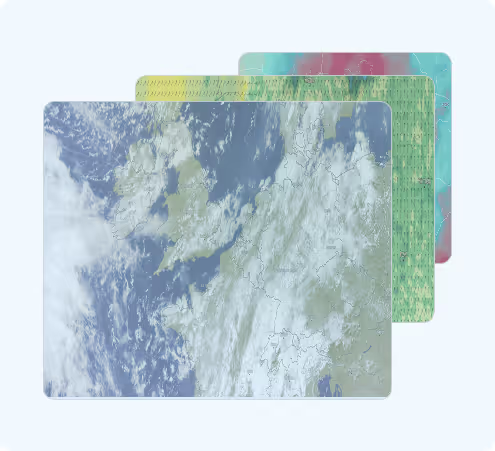
80+ High-Resolution Weather Map Layers
Visualise key weather variables such as wind, precipitation, temperature, radar, and pressure using tile-based maps or a ready-to-integrate plugin, with multiple weather models, altitude levels, and forecasts extending several days ahead in mostly hourly time steps.
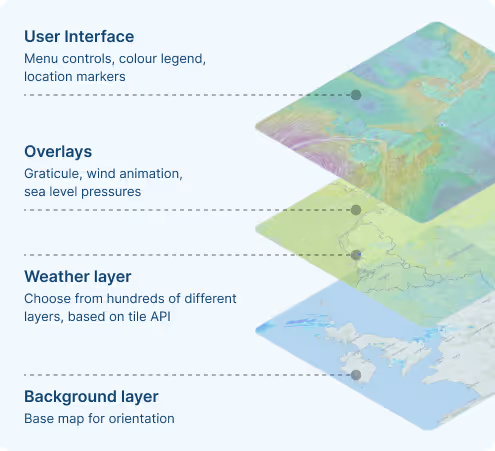
Easy Integration with Mapbox GL JS
Integrate the Maps API as a standalone solution with a simple script tag, or enhance an existing Mapbox map by adding weather overlays, layer selection, time sliders, and legends.
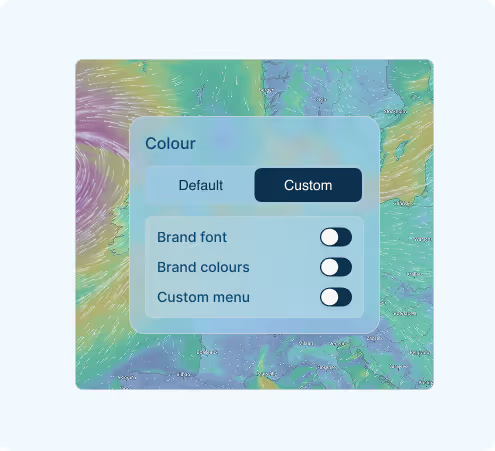
Flexible, Fully Customisable UI
Use the default interface, apply your own styling, or build a fully customised UI using the Mapbox GL JS framework and meteoblue underlying low-level Tile API for fully customised solutions.
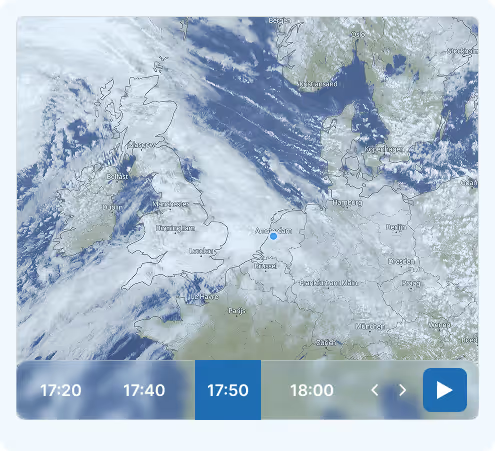
Real-Time Radar & Satellite Animations
Display engaging, fast-loading visualisations of live radar and satellite composite data, including short-term radar forecasts up to two hours ahead. Minute-by-minute animations are available via the plugin, while tile-based integrations allow custom animation on the client side.
MeteoArena chose meteoblue as a weather data provider because of the unparalleled offer of weather data. It is available worldwide, and offers insights into the past, present, and future weather conditions.

Visualise the Weather That Impacts You
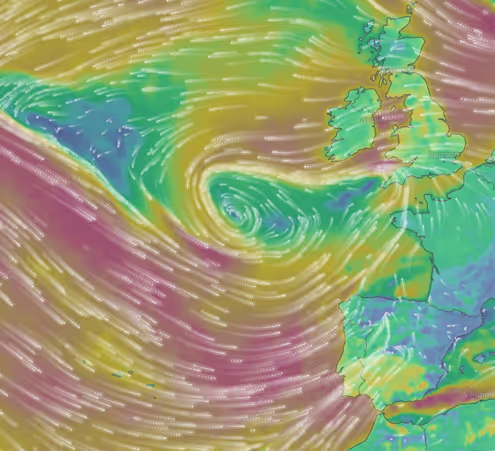
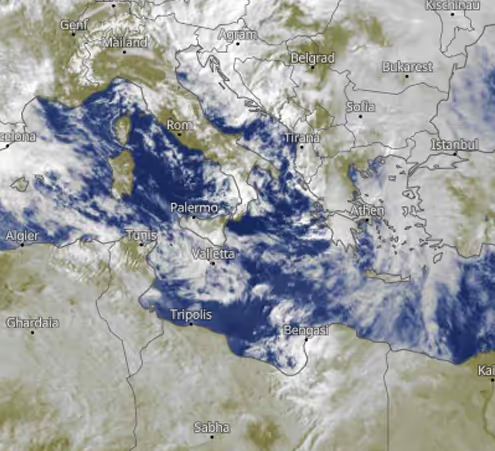
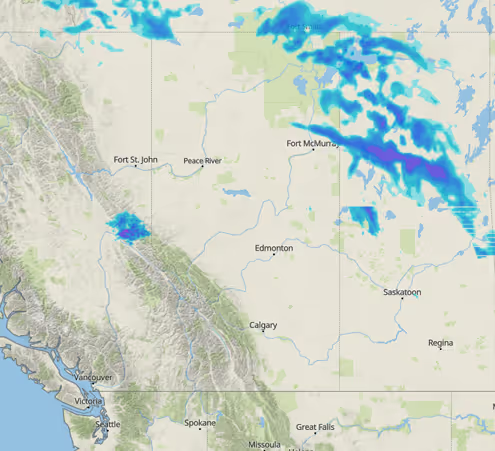
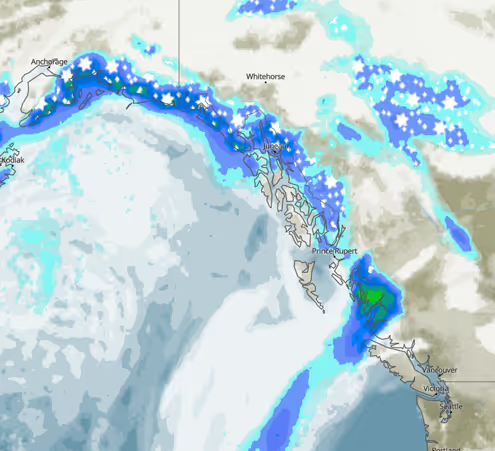
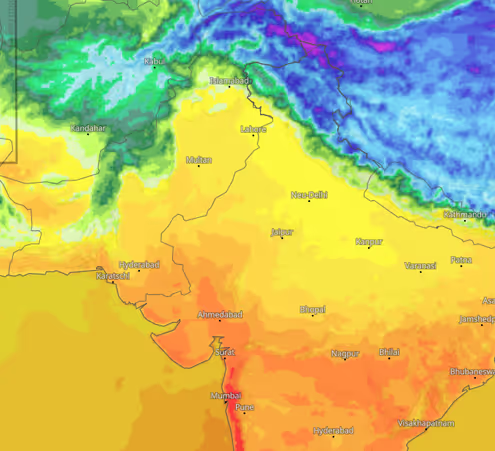
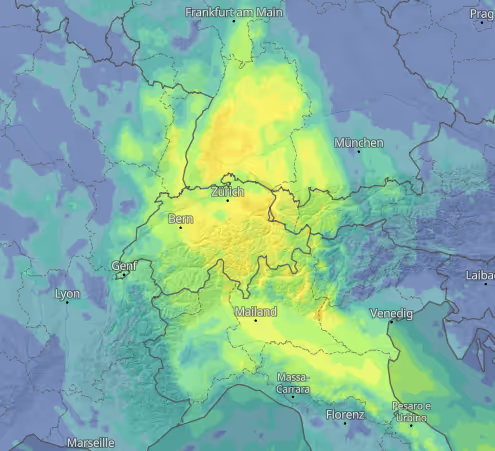
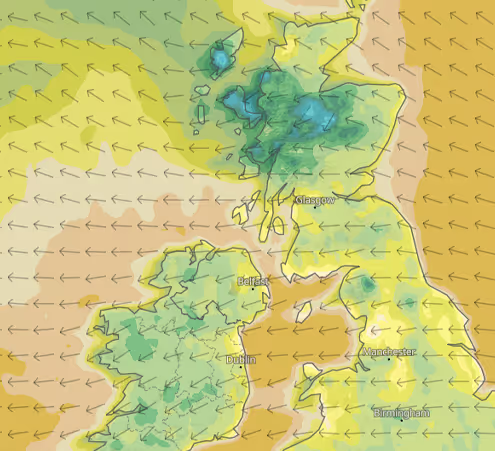
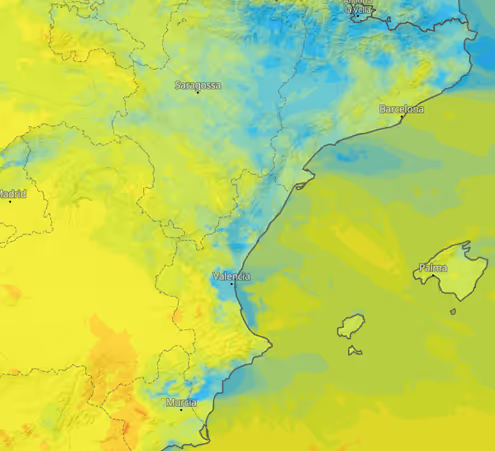
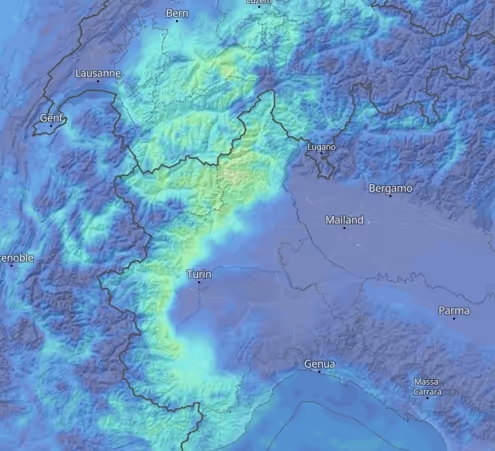
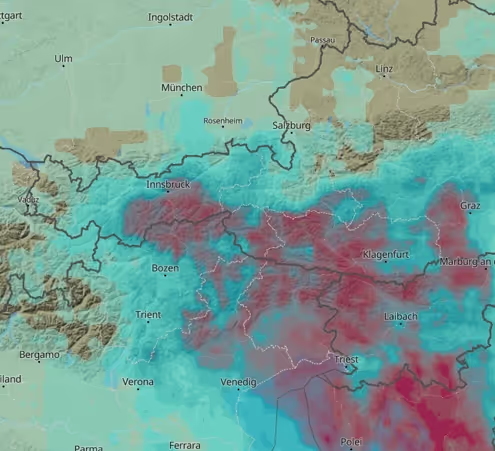
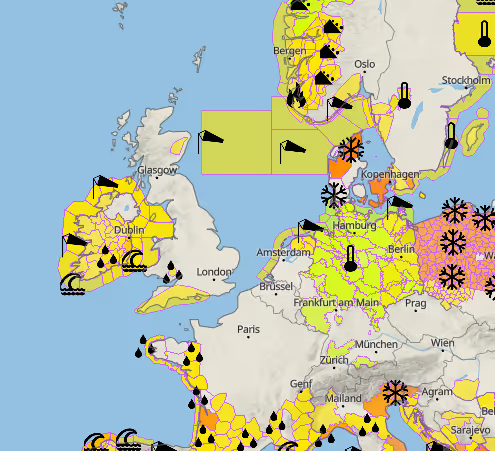
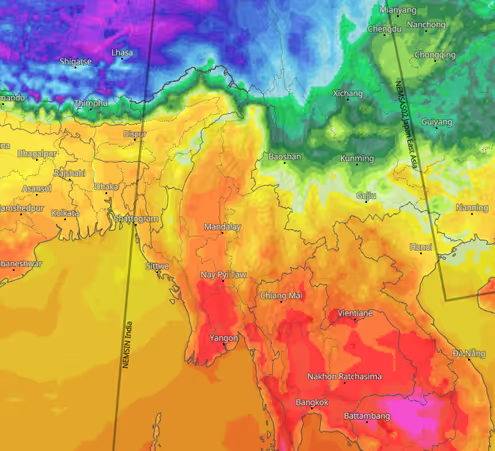
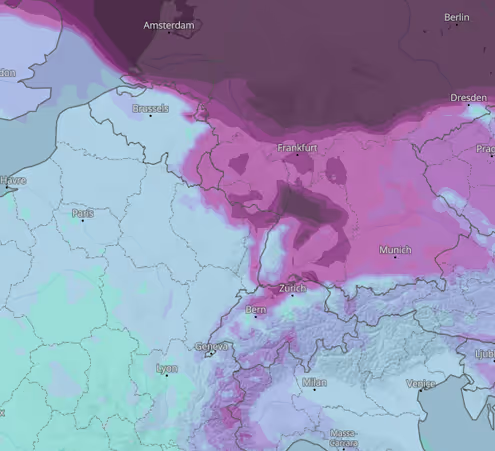
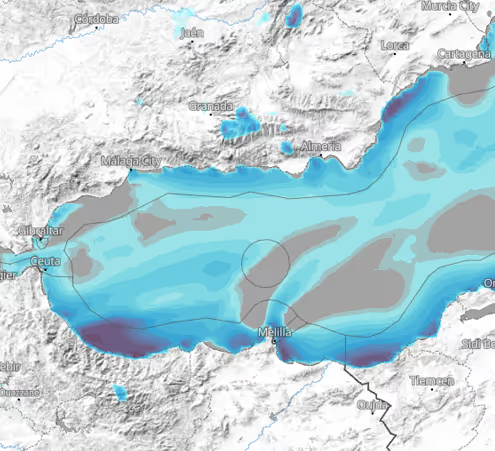
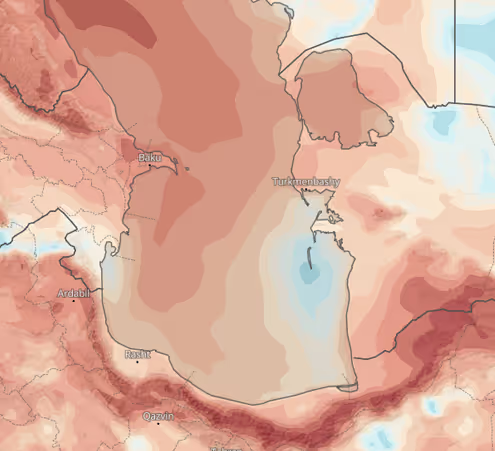
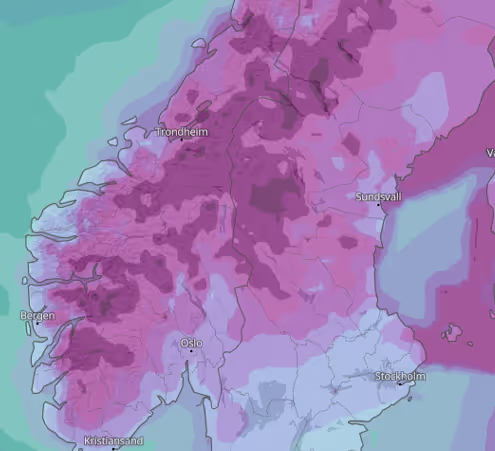
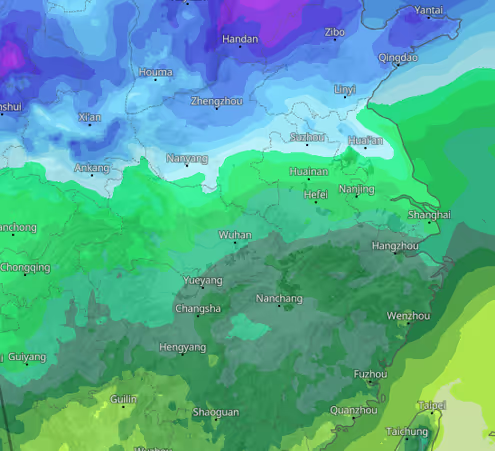
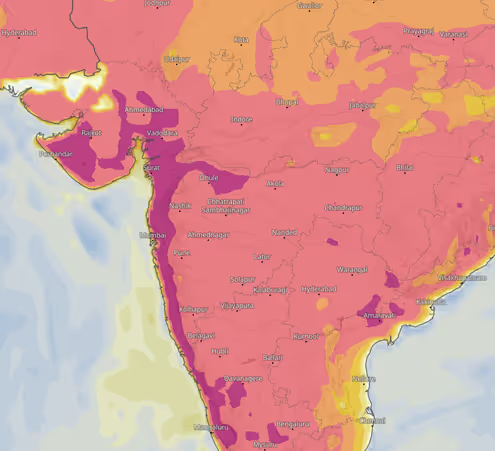
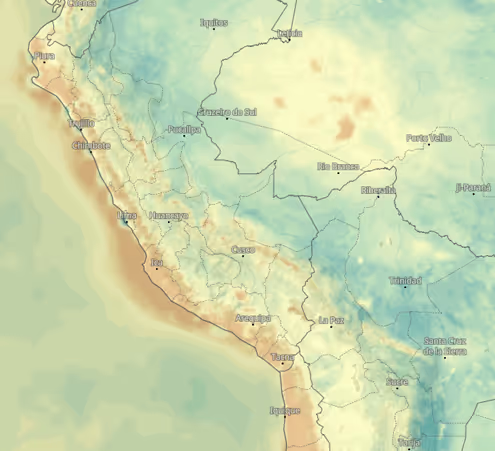
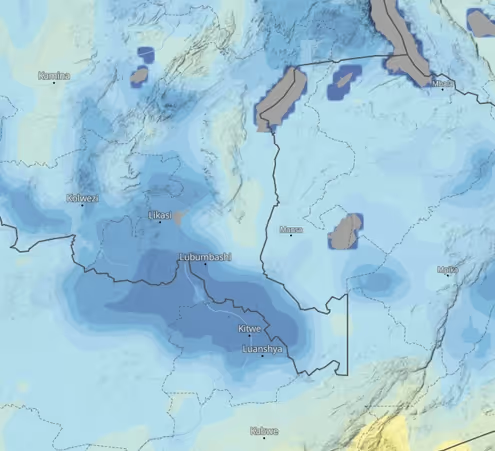
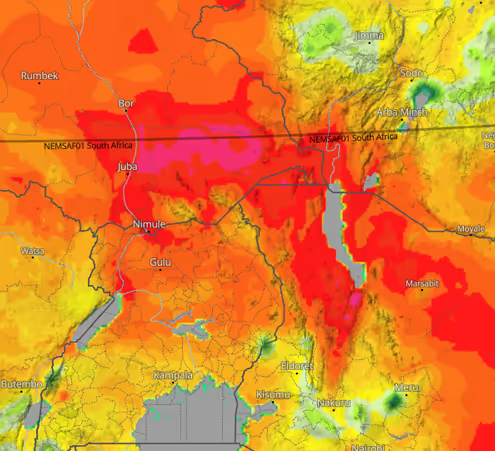
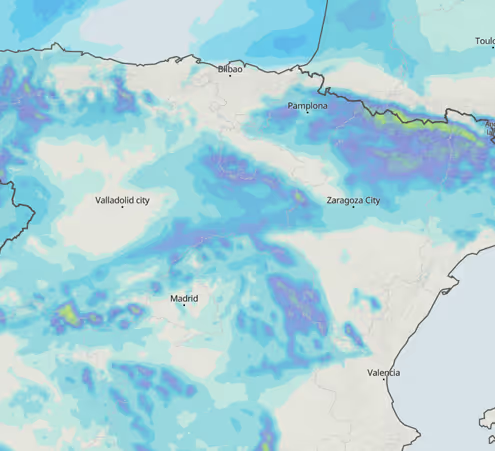
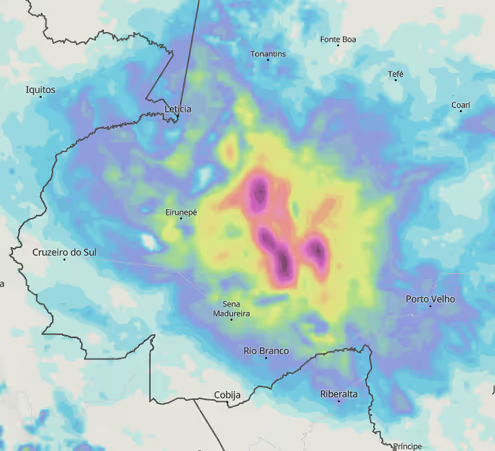
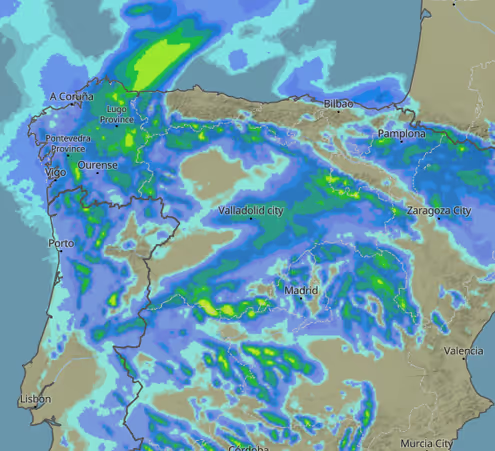
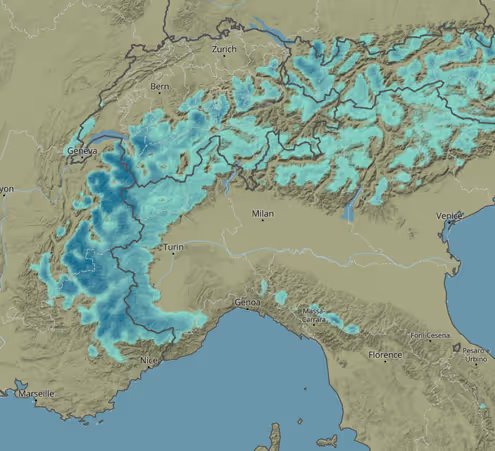
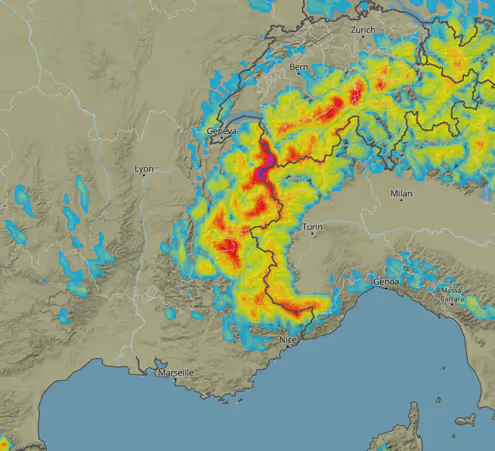
Cloud Cover Total
Total cloud coverage across all atmospheric levels expressed as a percentage of sky cover.
Low Clouds (0 – 3.5km)
Cloud cover within the lower atmosphere, often associated with fog, stratus, and low visibility conditions.
Mid Clouds (3.5 – 8 km)
Cloud cover at mid-level altitudes, typically including altostratus and altocumulus formations.
High Clouds (> 8km)
High-altitude cloud cover such as cirrus clouds, often linked to jet stream activity.
Convective Cloud Height
Vertical distance between the base and top of a cloud formed by warm, rising air convection.
Visibility
Horizontal visibility distance near the surface, relevant for aviation and transport safety.
Wind Convergence (10m)
Areas where surface winds meet and rise, often triggering cloud formation or convection.
Convective Updraft
Strength of rising air currents that drive thermal activity and thunderstorm development.
Soaring Flight Distance
Estimated distance that gliders or birds can travel using thermal lift without engine power.
Boundary Layer Height
Height of the atmospheric mixing layer influencing turbulence, dispersion, and flight performance.
Seawater Salinity
Concentration of dissolved salts in seawater, affecting density and ocean circulation.
Air Quality (CAQI)
Composite air quality index (Common Air Quality Index) indicating overall pollution levels and health impact.
Aerosol Optical Depth
Measure of airborne particles in the atmosphere affecting visibility and solar radiation.
Temperature Anomaly (2m)
Projected deviation of near-surface air temperature (2 meters above ground) from the long-term average.
Temperature Anomaly (850 mb)
Forecasted temperature deviation at approximately 1.5 km altitude, reflecting large-scale atmospheric patterns.
Evapotranspiration Anomaly
Forecasted variation in combined evaporation and plant transpiration compared to normal conditions.
Sea Level Pressure Anomaly
Predicted deviation in atmospheric pressure at sea level, indicating shifts in large-scale circulation.
CAPE & Lifted Index
Combined instability indicators showing thunderstorm potential and atmospheric buoyancy.
Lifted Index
Measure of atmospheric stability indicating the likelihood of thunderstorm development.
Storm Helicity (0 – 3 km)
Indicator of low-level rotational wind energy supporting severe storms and tornado formation.
Solar Radiation (GHI)
Global Horizontal Irradiance representing total incoming solar energy at the surface.
UV Index
Standardized scale indicating the intensity of ultraviolet radiation and potential skin risk.
Success Stories

Syngenta Crop Protection
A leading science-based agtech company using meteoblue forecast and historical weather data across its global crop protection operations.
VitiMeteo - Prognostic system for crop protection in viticulture.
A disease forecasting system for winegrowers. meteoblue has supplied the underlying weather forecasts since 2009, including leaf wetness, a variable critical for predicting fungal infection and unavailable from other providers at the time.

WaterApp - When water becomes scarce
A water information service for farmers in peri-urban river deltas in Ghana and Bangladesh. meteoblue supplies location-specific forecasts for Tamale, Ada and Khulna, delivered to farmers through the project app.

How to build a network of weather stations in Africa - TAHMO
A non-profit building a dense hydro-meteorological station network across sub-Saharan Africa. meteoblue has supplied forecasts since 2021, selected for their accuracy in tropical climates.
Sectors we work with

Energy
Optimise renewable generation and protect critical infrastructure with precise forecasts that prevent equipment failures and maximise output across all your energy assets.

Agriculture
Make smarter farming decisions with weather intelligence that protects crops, optimises field operations, and maximises yields while reducing resource waste.

Transport & Logistics
Keep fleets moving safely and efficiently by predicting road conditions, optimising routes around weather risks, and reducing delays from unexpected weather events.

Urban Resilience
Build cities prepared for tomorrow's climate by designing infrastructure that withstands future conditions and protecting critical systems from extreme weather.

Leisure
Deliver exceptional visitor experiences by planning events with confidence, ensuring guest safety, and optimising operations based on accurate weather forecasts.

Explore our Pricing Options
Flexible pricing plans designed for organisations from startups to enterprises. Explore the solution that fits your needs.

Frequently Asked Questions
The Maps API offers more than 80 high-resolution layers across categories such as radar and satellite, temperature and humidity, precipitation, wind, clouds and aviation, sea and surf, air quality and pollen, and seasonal anomalies. It also includes official CAP weather warnings. You can combine layers, altitude levels, and models to fit your use case.
The Maps API integrates through Mapbox GL JS. You can add it as a standalone map with a single script tag using the ready-made Maps Plugin, or layer weather overlays, time sliders, and legends onto an existing Mapbox map. For full control, build a custom interface on the low-level Tile API.
Yes. The Maps API provides live weather radar with global composite coverage, minute-by-minute updates, and a two-hour precipitation nowcast animation. Satellite maps show current cloud and weather systems, with historical imagery available back to 2019. Both can be animated smoothly through the plugin or rendered on the client side from tiles.
Yes. The Maps API is fully customisable. Use the default plugin interface, apply your own colours, contour steps, and styling, or build a completely custom UI with Mapbox GL JS on top of the meteoblue Tile API. This lets you match the maps to your brand and product design.